
Solution
AR training for frontline workers: productive sooner, safer at work
AR training for frontline workers: augmented reality training on the job, linked to a live skills matrix. New operators productive sooner, less shadowing.
In short
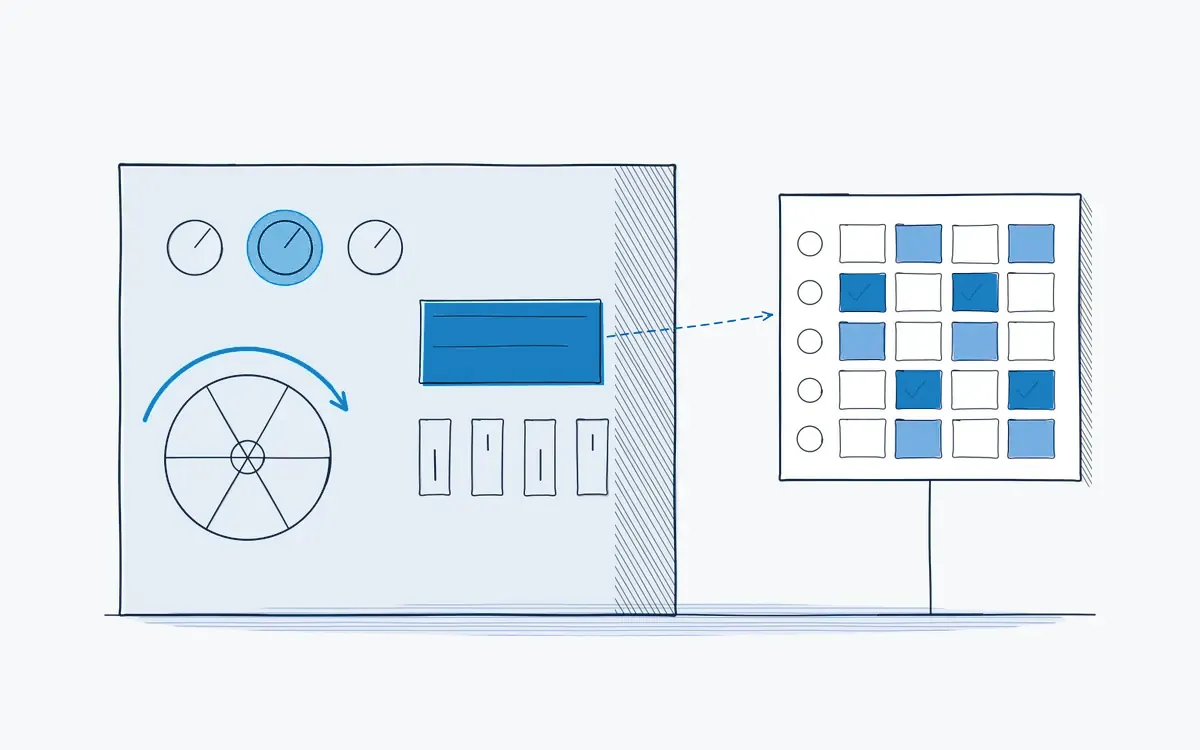
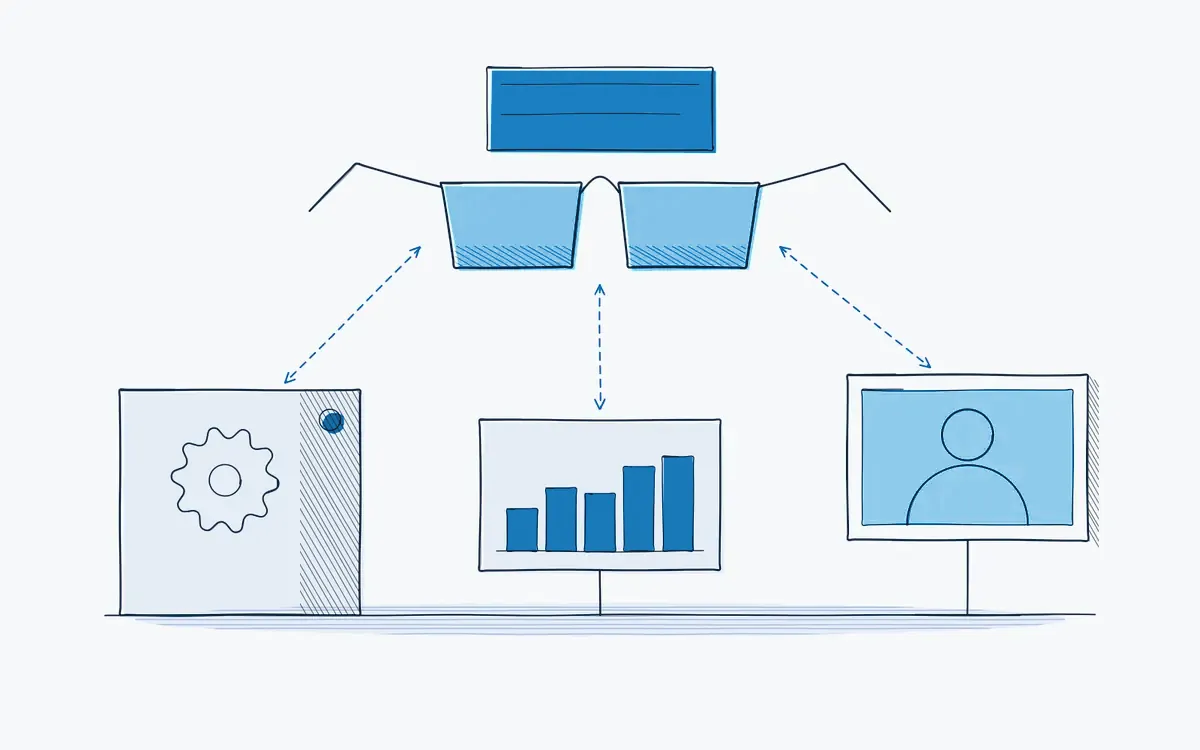
AR training is on-the-job training where augmented reality shows a new operator each step directly on the real machine, via tablet or AR glasses. Actarion combines AR training with AI-generated work instructions and a live skills matrix, so frontline worker training is faster, consistent and documented for every employee.
How it works on the shop floor
How does AR training work with Actarion?
- 1
Turn the SOP into a training path.
AI turns your SOPs into step-by-step instructions with images and checks. See AI authoring.
- 2
Train on the real machine.
The trainee follows each step with AR guidance. See AR guidance.
- 3
Check understanding.
Mandatory checks, photos and short questions confirm each step.
- 4
Get help when stuck.
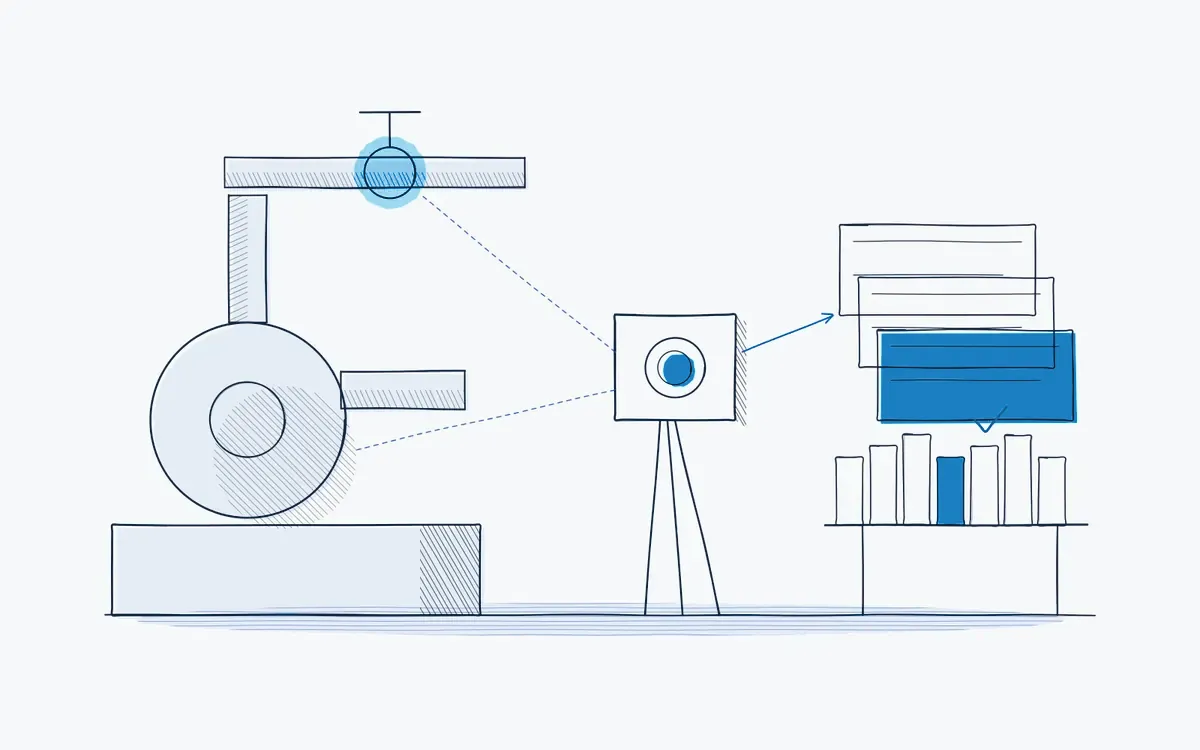
An experienced colleague joins remotely through the camera. See remote expert support.
- 5
Qualify and record.
Completed training updates the skills matrix automatically. See analytics and audit trail.
Why does frontline worker training take so long?
- New hires shadow an experienced colleague for weeks. That colleague is not producing in the meantime.
- Every trainer explains the job differently. Errors and bad habits spread.
- Classroom training and e-learning do not stick when the real machine looks different.
- Nobody has a current overview of who is qualified for which task.
What is AR training?
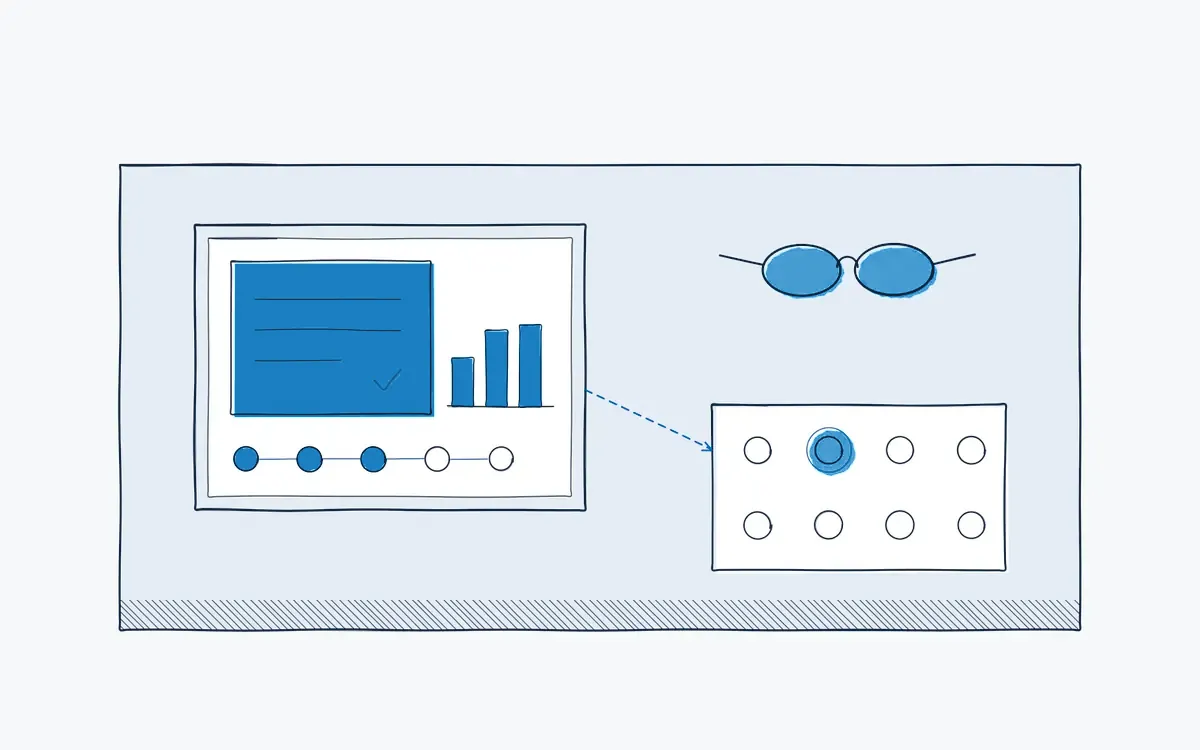
AR training, or augmented reality training, is a way of learning in which digital instructions are placed over the real work environment. The trainee sees arrows, highlights and step cards on the actual machine, on a tablet or through AR glasses such as Apple Vision Pro or HoloLens 2.
Frontline worker training covers everyone who works on the shop floor or in the field: operators, technicians, inspectors and field service engineers. AR training lets them learn on the job, at their own pace, while the instruction stays the same for everyone.
Key features
- AR guidance on tablet and AR glasses.
- Training mode and work mode with the same instruction, so training matches the real job.
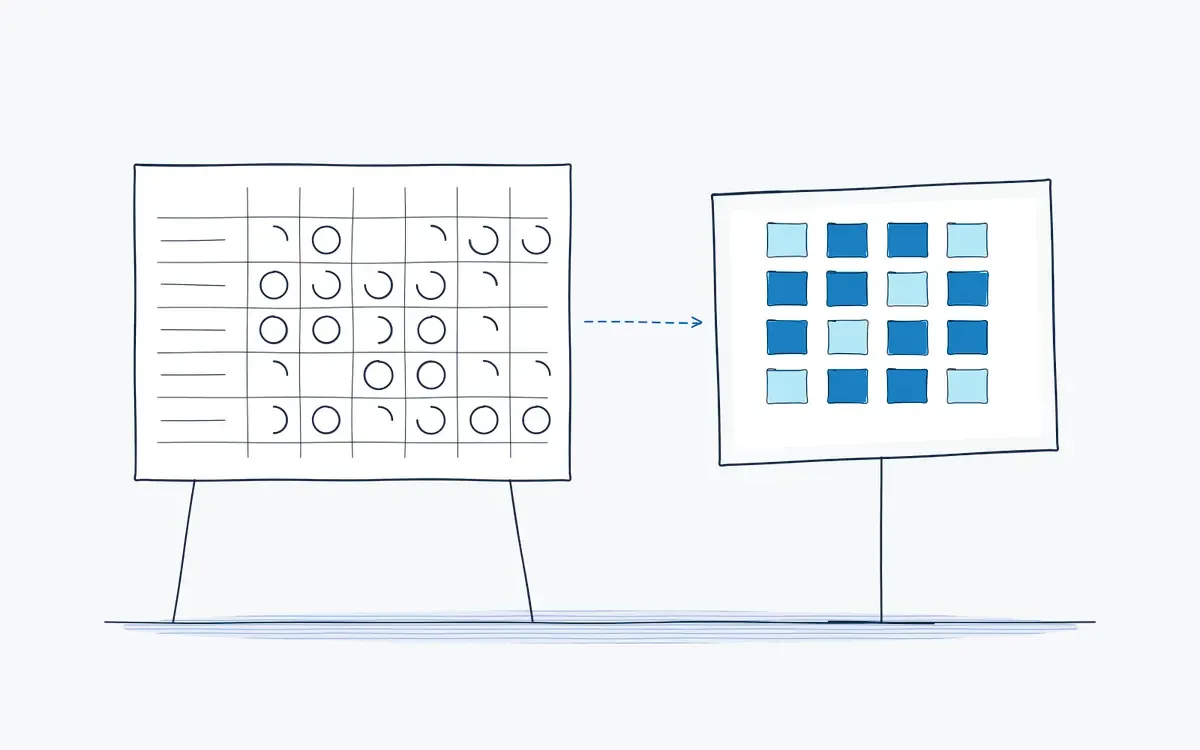
- Live skills matrix linked to completed instructions.
- Retraining triggers when an SOP changes.
- Remote assistance for trainees and new hires.
- Multilingual instructions for international teams.
- Training records as audit evidence for ISO 9001, ISO 45001 or GMP.
Paper vs. digital vs. digital with AR
| Criterion | Shadowing and paper | E-learning / digital | AR training on the job (Actarion) |
|---|---|---|---|
| Learning environment | Real machine, depends on trainer | Classroom or screen | Real machine with digital guidance |
| Consistency | Varies per trainer | Consistent, but abstract | Consistent and in context |
| Trainer time | High | Medium | Low, expert joins only when needed |
| Proof of qualification | Signature list | LMS record | Skills matrix plus logged executions |
| Update after process change | Retrain manually | Rebuild module | Update the instruction, retraining follows |
Use cases and industries
Track qualifications with our free skills matrix template.
How do you implement AR training?
- 1Choose one role. with long onboarding or many errors in the first months.
- 2Measure the baseline. days until working independently, trainer hours, early errors.
- 3Digitize the critical tasks. for that role and set up the skills matrix.
- 4Pilot with the next group of new hires. See start a pilot.
- 5Compare and scale. to other roles and sites.
Expected results depend on your baseline.
Common mistakes
- Treating AR training as a classroom replacement only. The value is in learning at the real workstation, during real work.
- No sign-off criteria. Define per task when someone counts as competent, so the skills matrix means something.
- Training only the trainees. Team leaders and buddies need to know how to coach with the instructions too.
- Letting content age. When the process changes and the instruction does not, trust is gone quickly.
- Not measuring time to competence. Without a baseline you cannot show the gain to HR and management.
How Actarion helps
- We turn your SOPs into AR training paths with AI.
- New hires learn on the real machine with AR, with less shadowing.
- The skills matrix stays current automatically.
- Remote experts support trainees without being on site.
- We start with a pilot, with fixed KPIs such as time to competence.
Onboard your next new hire with AR
In a free intake call we pick the role where AR training saves the most time.
- Scope
- 1–2 lines, 1 process
- Duration
- 6–8 weeks
- KPIs
- lead time · first time right · errors
- Prerequisite
- baseline across several shifts
Frequently asked questions
For practical shop floor tasks, AR training lets people learn on the real machine in context. Classroom training remains useful for theory and safety basics.
No. You can start with tablets. AR glasses help when the trainee needs both hands for the task.
Completed instructions and checks update the skills matrix and are logged with date and result. That gives you evidence for audits.
Pricing is tailored to your industry and sector, users and use cases. Book a free intake call for a proposal.
The LMS manages courses and certificates off the line. AR training guides people at the workstation and feeds sign-offs back to the skills matrix. Those results can go to your LMS through the API or CSV export, so certificates stay in one place.



See your own process as a digital work instruction.
In 30 minutes we look at your process, your numbers and the fastest route to a measurable pilot. No sales pitch, just concrete advice.