
Use case
Operator onboarding: new hires productive faster with AR guidance
Train on the job with guided instructions instead of weeks of shadowing an expert.
In short
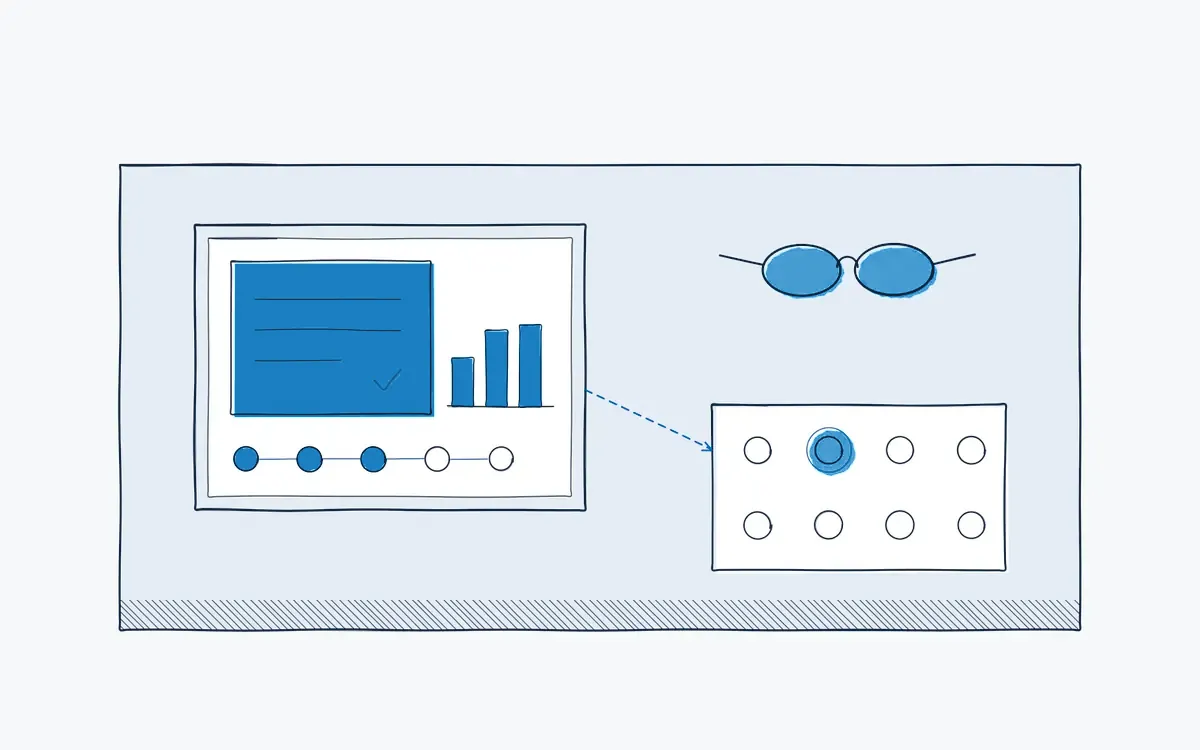
AR-guided onboarding lets new operators learn a task by doing it with step-by-step visual guidance. It reduces the time experts spend shadowing, makes training consistent across sites and records which operator is qualified for which workstation.
How it works on the shop floor
How does AR-guided onboarding work?
- 1
Capture the expert once.
An experienced operator performs the task while photos, video and notes are captured.
- 2
AI builds the instruction.
Actarion converts the SOP and recordings into clear steps with visuals, in the operator's language.
- 3
Learn by doing.
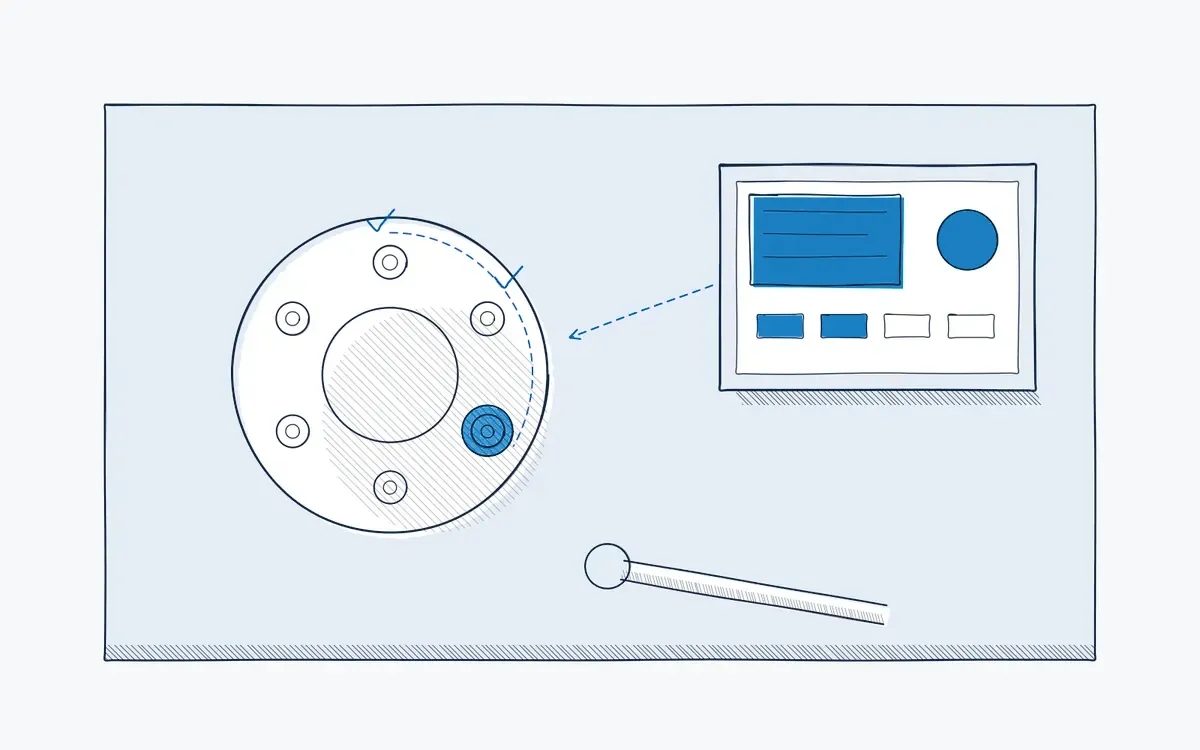
The new hire performs the real task with AR guidance: the next step appears on the machine.
- 4
Confirm and check.
Critical steps require a confirmation or photo. The system logs time and deviations.
- 5
Sign off in the skills matrix.
After enough correct runs, the team lead approves the skill.
Why does onboarding take so long?
- Training depends on a buddy who has little time and explains it his own way.
- Binders and PDFs are outdated, so new hires learn the unofficial version.
- High turnover and temp staff mean you start over every few months.
- You cannot see who is actually qualified for which task.
What do you measure?
| KPI | What it tells you |
|---|---|
| Time to autonomy | Days until the operator works without a buddy |
| Coaching hours per new hire | Load on your experienced staff |
| Errors in the first 90 days | Quality of learning |
| Skills matrix coverage | Share of tasks with at least two qualified people |
Results you can expect
Shorter ramp-up time, less coaching load and consistent training across shifts and sites. In an anonymized mining case, training was one of the first use cases rolled out (see cases).
Hardware you need
- Tablet on a stand or in hand: lowest threshold, good for most tasks.
- AR glasses (Apple Vision Pro, HoloLens 2, Android XR) when the task needs both hands.
- Wi-Fi on the shop floor. Working without a connection is tested per device in the pilot.
How to start a pilot
Pick one role with frequent hiring, two or three core tasks and a baseline for time to autonomy. We convert the SOPs, train the team leads and measure for a fixed period. Read about the pilot.
How Actarion helps
- AI turns existing SOPs and expert videos into training-ready instructions.
- AR guidance lets new hires learn on the real machine, not in a classroom.
- Multilingual instructions for mixed teams and temp staff.
- Skills matrix and audit trail show who is qualified, with proof.
- Scope
- 1–2 lines, 1 process
- Duration
- 6–8 weeks
- KPIs
- Time to competence
- Prerequisite
- baseline across several shifts
Frequently asked questions
No. Safety basics and theory still have a place. AR guidance replaces the part where a buddy shows the task over and over.
The system records each run. The team lead approves the skill based on correct runs and observations, and the skills matrix updates.
Yes. Instructions are available in several languages and guide each step, which suits short assignments.
Your process owner. Edits are made in the studio and published to all devices at once, with version history.


See your own process as a digital work instruction.
In 30 minutes we look at your process, your numbers and the fastest route to a measurable pilot. No sales pitch, just concrete advice.