What Is a Digital Twin? Definition & Example
A digital twin is a virtual model of a physical asset or process, kept in sync with real data. Learn the types, an industrial example and links to AR.

Definition
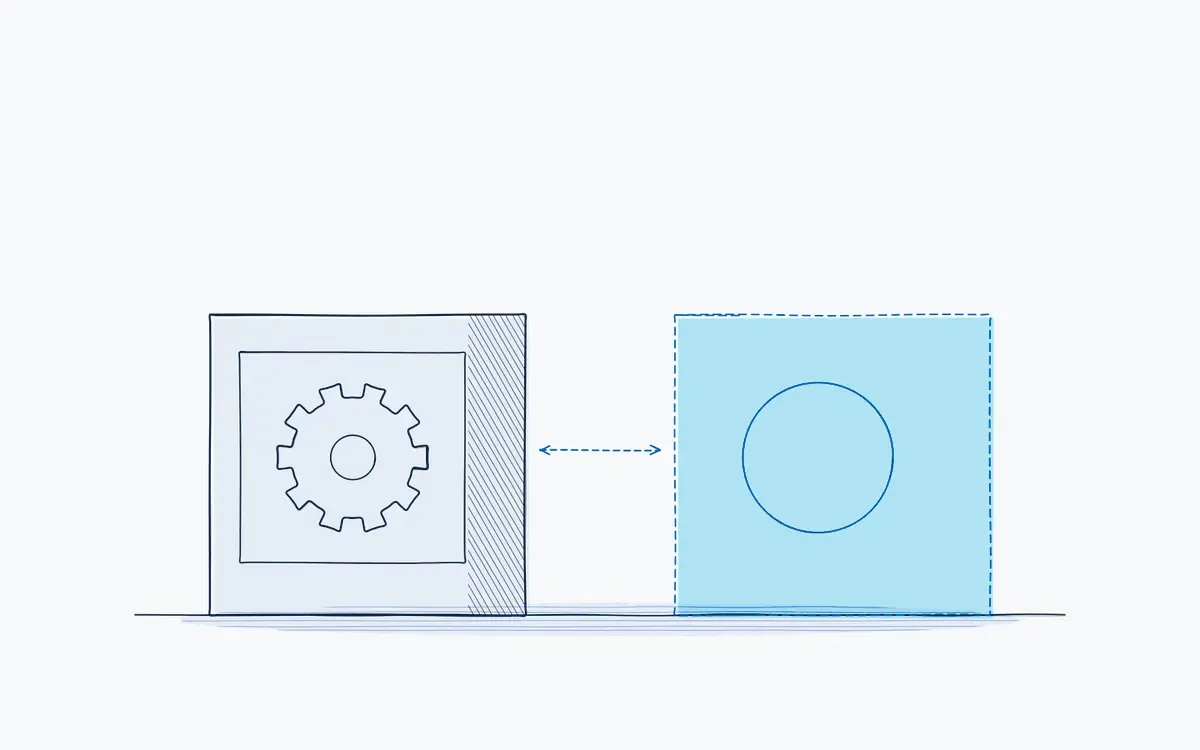
A digital twin is a virtual representation of a physical asset, line or process that is kept in sync with real-world data. It is used to monitor, simulate and optimize. Actarion connects to this idea from the operator side: AR instructions anchored to the real machine, with execution data flowing back.
Why does it matter on the shop floor?
- Engineering models never reach the people on the floor.
- Data about the asset and about the work done on it are separate.
What is a digital twin?
A digital twin is a digital model of a physical object or system that is linked to it through data, so the model reflects its current state.
Twins range from 3D models with live sensor data to full process simulations. A 3D model alone is not yet a twin; the live data link makes it one.
Key elements
- 1Physical asset with sensors.
- 2Virtual model updated by data.
- 3Insights and actions back to the asset.
Example from the shop floor
A pump's twin shows vibration and temperature. When a threshold is crossed, a maintenance task opens with AR steps on the real pump.
How does Actarion help?
- Actarion uses 3D and CAD data where available to anchor AR steps.
- Digital, step-by-step work instructions generated from your SOPs with AI.
- AR guidance on tablets and AR glasses, with an audit trail per execution.
Frequently asked questions
Not on its own; it needs a live data link to the real object.
No. AR instructions also work without a full twin.
In asset management, process optimization, design and training.