What Is Augmented Reality (AR) in Industry?
Augmented reality (AR) places digital information over the real world via a tablet or AR glasses. Learn how industry uses AR for work instructions.

Definition
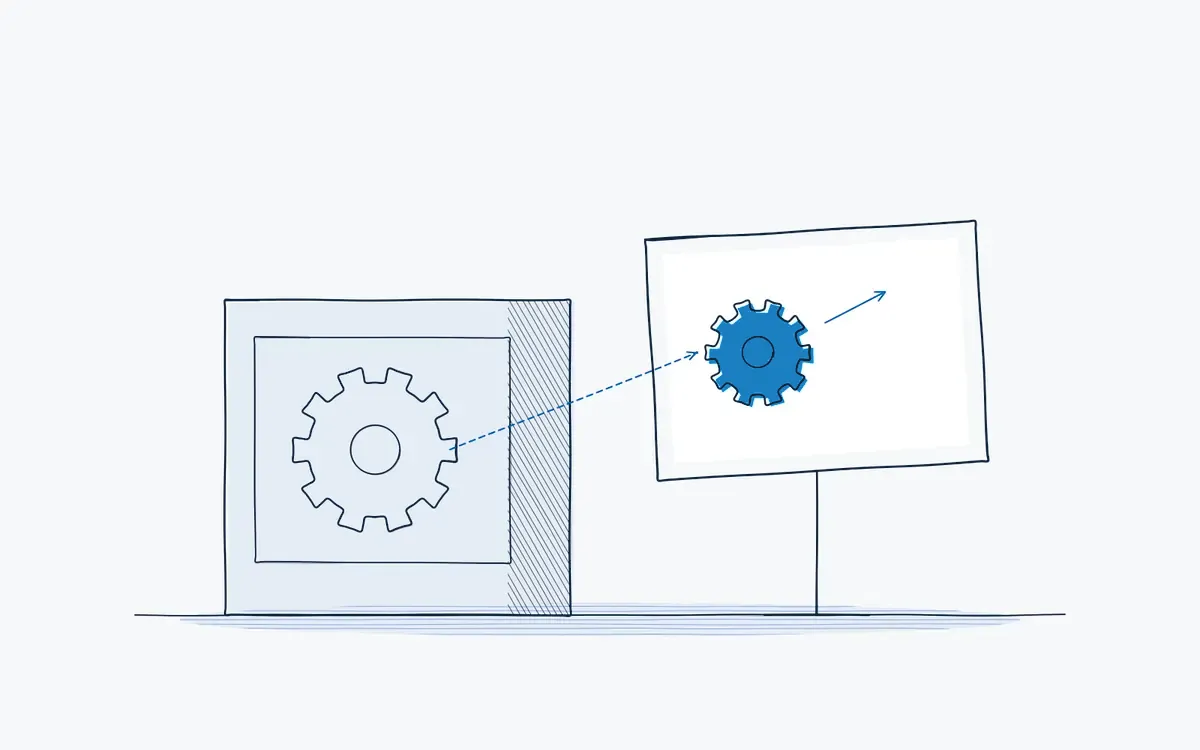
Augmented reality (AR) overlays digital information, such as arrows, labels or 3D models, on the real world, seen through a tablet camera or AR glasses. In industry, AR shows operators exactly where and how to act. Actarion uses AR to guide work instructions step by step on the actual machine.
Why does it matter on the shop floor?
- Operators lose time matching a drawing to the real machine.
- Rare tasks are forgotten between occurrences.
What is augmented reality (AR) in industry?
Augmented reality is technology that adds computer-generated content to a live view of the physical environment, anchored to real objects.
AR can run on tablets and smartphones (hand-held) or on headsets and smart glasses (hands-free). Typical industrial uses are assembly, maintenance, training, inspection and remote support.
Key elements
- 1Recognize the object or location.
- 2Anchor digital content to it.
- 3Guide the user through the next step.
Example from the shop floor
A technician points a tablet at a pump. An arrow highlights the valve to close first, and the step card shows the torque value.
How does Actarion help?
- Actarion adds AR markers to AI-generated work instructions on tablets and AR glasses.
- Digital, step-by-step work instructions generated from your SOPs with AI.
- AR guidance on tablets and AR glasses, with an audit trail per execution.
Frequently asked questions
No. Tablets and smartphones can show AR through the camera view.
AR adds to the real world; VR replaces it with a virtual one.
Yes for many tasks; test devices per use case in a pilot.