Connected worker platform vs LMS: what is the difference?
Connected worker platform vs LMS: one trains off the line, the other guides work on the line. Compare purpose, data and audit value, and when to use both.

Short answer
Connected worker vs LMS: a learning management system (LMS) manages courses and certificates away from the line. A connected worker platform guides the actual task at the workstation and records how it was done. Most plants need both. Actarion adds AR-guided work instructions and skills tracking that link on-the-job performance to qualification.
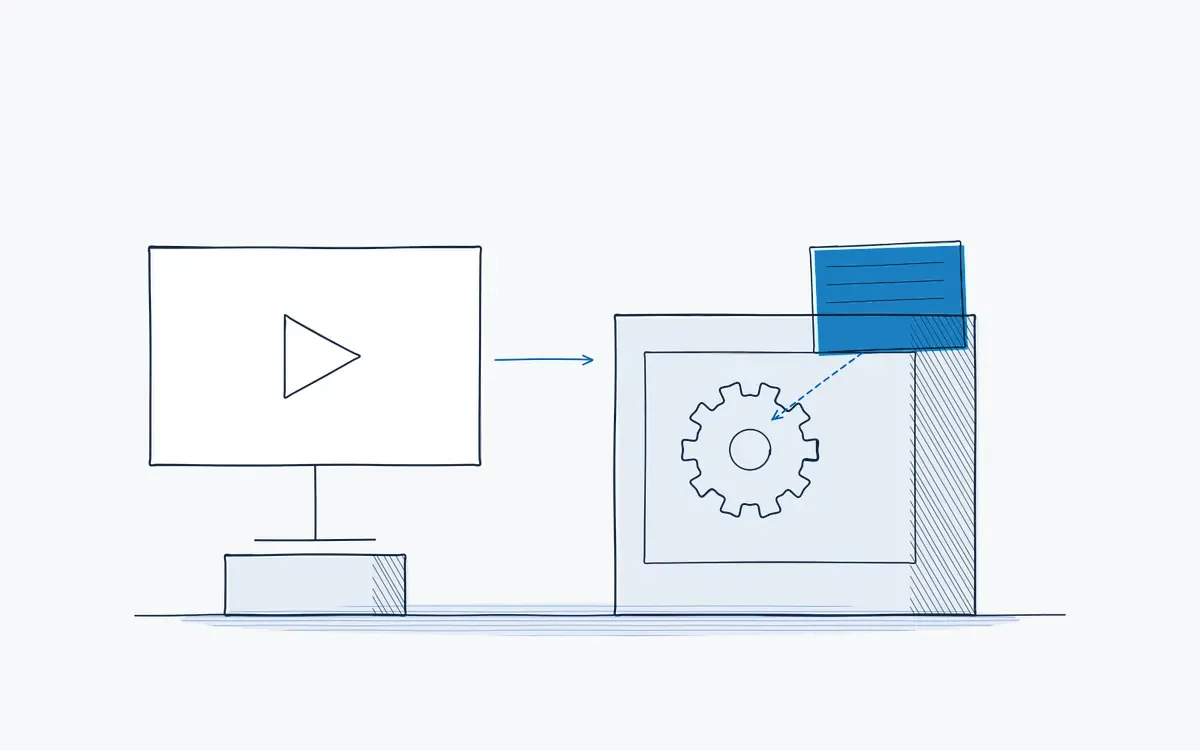
Where does training fall short on the line?
- Operators pass the e-learning, then still make errors at the machine.
- The LMS shows who is certified, not who can actually do the task.
- Experienced staff spend hours as buddies for every new hire.
- Auditors ask for proof of competence, not just course completion.
Conclusion first
An LMS is the right tool for compliance courses, theory and certificates. A connected worker platform is the right tool for doing the job correctly, every time. They are complementary. If your problem is errors and onboarding time on the floor, an LMS alone will not fix it.
Comparison table
| Criterion | LMS | Connected worker platform |
|---|---|---|
| Main purpose | Deliver and track courses | Guide and record work at the workstation |
| Where it is used | Office, classroom, break room | On the line, at the machine, in the field |
| Content | Modules, videos, quizzes | Step-by-step work instructions, checklists, AR guidance |
| Data it captures | Completion, scores, certificates | Execution time, confirmations, deviations per step |
| Proof for audits | Who was trained | How the task was actually performed |
| Effect on errors | Indirect | Direct, during the task |
| Typical owner | HR / L&D | Operations, quality, maintenance |
How do the criteria differ in practice?
Purpose. The LMS answers "has this person been trained?". The connected worker platform answers "was this task done right?".
Location. Learning on the line works better for manual tasks. People remember what they did with their hands.
Data. Step-level data shows where operators hesitate or deviate. That tells you which instruction to improve.
Skills. A skills matrix fed by real executions is more reliable than one fed by course completion alone.
Integration. Many sites link both: the LMS holds certificates, the connected worker platform feeds practical sign-off back.
When do you choose what?
- 1LMS only. if your main need is compliance training and certificate management.
- 2Connected worker platform. if your pain is errors, slow onboarding, variant complexity or audit proof on the floor.
- 3Both, linked. if you want qualification to reflect real performance.
How does Actarion help?
- Turns SOPs into guided work instructions that double as on-the-job training.
- Records every execution, so practical sign-off is based on evidence.
- Maintains a skills matrix in the DeepSight console.
- Adds remote assistance for tasks where a new operator gets stuck.
Frequently asked questions
Usually not. It covers on-the-job guidance and practical sign-off; the LMS keeps theory and certificates.
Operations usually leads, with quality and L&D as co-owners.
Yes, when executions are logged and reviewed. Many sites use guided runs as part of practical qualification.