
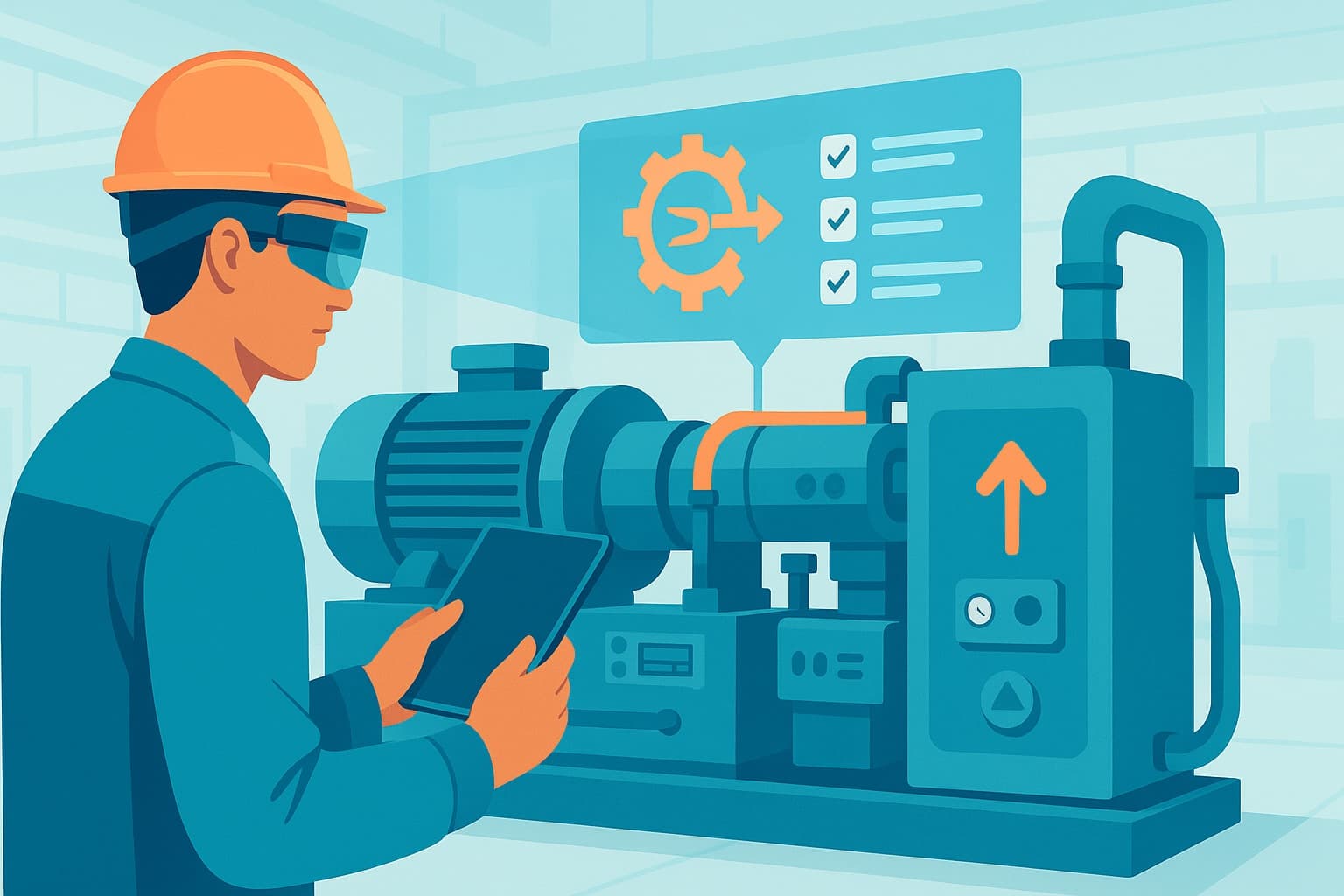
Every manufacturing operation has them: the hero operators. The ones everyone calls when a difficult changeover is coming up. The ones who somehow get the line running when no one else can. The ones whose shifts have noticeably better performance.
Hero operators are valuable—but relying on them is risky. When they are unavailable, sick or on vacation, changeover times balloon and errors spike. Their expertise is concentrated in a few individuals, not embedded in the organisation.
Digital work instructions offer a path from hero-dependent changeovers to standardised, repeatable processes that any trained operator can perform.
The hero operator problem
Hero operators exist because changeovers are complex, and expertise matters. They have learned:
- Optimal sequences that minimise time
- Workarounds for equipment quirks
- Warning signs that predict problems
- Tips that make difficult steps easier
This knowledge is valuable—but it creates problems:
- Single points of failure: When the hero is unavailable, performance drops
- Scheduling constraints: Production planning may revolve around hero availability
- Knowledge silos: Other operators never develop the same skills
- Succession risk: When heroes retire or leave, the knowledge goes with them
Why traditional approaches do not solve this
Traditional attempts to address the hero operator problem often fall short:
- Documentation: Heroes are asked to write down what they do, but tacit knowledge is hard to express in words
- Training: Heroes train others, but the transfer is incomplete and inconsistent
- Shadowing: Operators shadow heroes, but this is time-consuming and depends on hero availability
These approaches capture some knowledge, but they do not create true standardisation.
How digital work instructions enable standardisation
Digital work instructions take a different approach:
Capture the hero's execution, not just their words
Using AR devices, heroes perform changeovers while the system records their actions, timing and context. This captures what they actually do—not just what they think they do.
Structure into repeatable procedures
AI-assisted tools organise the captured content into clear, step-by-step digital work instructions. Each step is defined, visualised and verified.
Deliver to all operators consistently
Digital work instructions are available to every operator, on every shift. Everyone follows the same optimised procedure, guided visually step by step.
Enforce adherence and verify completion
Digital systems ensure operators complete each step before moving on. Critical steps require acknowledgment or evidence capture. This prevents shortcuts and enforces the standard.
Continuously improve
Data from digital work instruction usage identifies where operators struggle, where steps take too long and where further optimisation is possible. The standard evolves over time.
The transition: from hero to standard
Moving from hero operators to standardised changeovers with digital work instructions follows a practical path:
- Identify hero operators: Recognise who your best performers are for each changeover type.
- Capture their expertise: Use AR devices to record heroes performing changeovers in the real environment.
- Build digital work instructions: Structure the captured content into clear, visual, step-by-step procedures.
- Validate with the hero: Have the hero review and refine the digital work instructions.
- Train other operators: Deploy digital work instructions to all operators. Provide brief training on usage.
- Monitor and improve: Track changeover times, errors and feedback. Refine instructions based on data.
The result: consistent performance without heroes
Organisations that standardise changeovers with digital work instructions report:
- Consistent changeover times: Variability between operators drops dramatically
- Reduced dependence on individuals: Any trained operator can perform changeovers reliably
- Knowledge preservation: Hero expertise is captured and available to the organisation
- Scalability: New operators can reach proficiency faster
The heroes are no longer bottlenecks—they are the foundation of a standardised, scalable capability.
Getting started
If your operation depends on hero operators for changeovers, digital work instructions can help. Capture their expertise, build standardised procedures and raise everyone's performance to the hero level.
Learn more about AR-guided changeover to reduce downtime or contact ActARion to discuss your standardisation goals.