
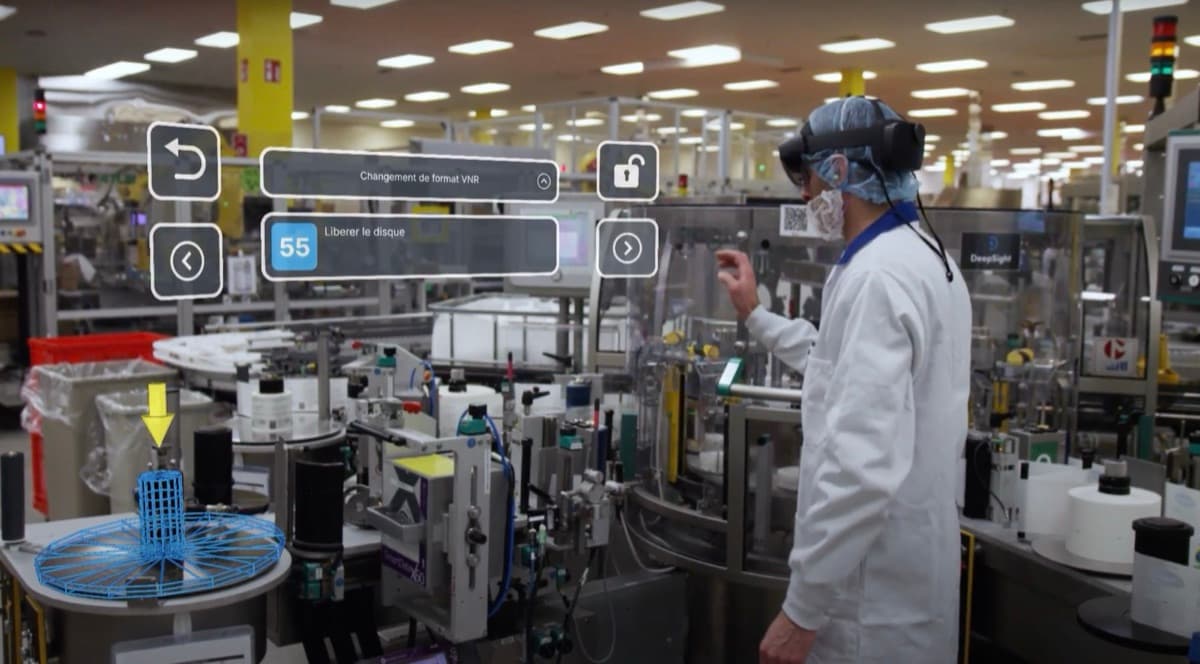
The manufacturing industry faces unprecedented challenges in workforce development. With skilled workers retiring and new technologies emerging, companies need innovative training solutions that can quickly upskill employees while maintaining high standards of safety and quality. Augmented Reality is emerging as the game-changer in this space.
The Training Crisis in Manufacturing
Traditional training methods are struggling to meet modern demands:
- High costs: Classroom training, travel, and equipment setup
- Time constraints: Production schedules can't accommodate lengthy training sessions
- Safety risks: Training on live equipment poses dangers to new employees
- Inconsistent quality: Different trainers may emphasize different aspects
- Limited scalability: Difficult to train large numbers of workers simultaneously
How AR Revolutionizes Training
Augmented Reality transforms training from a passive, classroom-based experience into an interactive, hands-on learning journey.
Immersive Learning Environments
AR creates realistic, interactive simulations that allow trainees to practice complex procedures without risk. Workers can:
- Practice on virtual equipment that behaves exactly like real machinery
- Experience realistic scenarios including emergency situations
- Receive immediate feedback on their performance
- Repeat procedures until they achieve mastery
Personalized Learning Paths
AR training systems adapt to individual learning styles and pace:
- Skill-based progression: Advanced learners can skip basic concepts
- Remedial support: Struggling learners receive additional guidance
- Multilingual support: Training in the worker's native language
- Accessibility features: Support for different abilities and needs
Real-Time Performance Analytics
Modern AR training platforms provide detailed insights into learning progress:
- Completion rates: Track how quickly workers master procedures
- Error analysis: Identify common mistakes and training gaps
- Competency assessment: Measure readiness for live operations
- Continuous improvement: Use data to refine training programs
Real-World Training Applications
Equipment Operation Training
New operators learn to control complex machinery through AR simulations that replicate real-world conditions, including:
- Startup procedures with step-by-step guidance
- Emergency shutdown scenarios
- Maintenance tasks with 3D component visualization
- Troubleshooting common issues
Safety Training
AR creates realistic safety scenarios without exposing workers to actual hazards:
- Emergency evacuation procedures
- Personal protective equipment (PPE) requirements
- Hazard identification and response
- Lockout/tagout procedures
Quality Control Training
Workers learn inspection procedures through AR overlays that highlight:
- Acceptable tolerances and specifications
- Common defects and their identification
- Measurement techniques with virtual tools
- Documentation requirements
The ActARion Training Platform
Our comprehensive AR training solution includes:
Content Creation Tools
- No-code authoring: Subject matter experts can create training content
- Template library: Pre-built training scenarios for common procedures
- Media integration: Support for images, videos, and 3D models
- Version control: Track changes and maintain training consistency
Learning Management System
- Progress tracking: Monitor individual and team learning outcomes
- Certification management: Automated competency verification
- Reporting dashboard: Comprehensive analytics and insights
- Integration capabilities: Connect with existing HR and training systems
Mobile and Wearable Support
- Tablet applications: Access training anywhere, anytime
- AR glasses compatibility: Hands-free training experiences
- Offline functionality: Continue learning without internet connectivity
- Cross-platform support: Works on iOS, Android, and Windows devices
Measurable Results
Companies implementing AR training report significant improvements:
Cost Reduction
- 60-80% reduction in training costs compared to traditional methods
- 50-70% decrease in training time
- Reduced travel expenses for remote training
- Lower equipment costs for training setups
Performance Improvements
- 40-60% faster skill acquisition
- 25-40% improvement in knowledge retention
- Reduced error rates in live operations
- Higher confidence among newly trained workers
Safety Enhancements
- Zero training accidents during AR-based learning
- Better safety awareness through realistic scenarios
- Improved emergency response capabilities
- Reduced risk during on-the-job training
Implementation Strategy
Successful AR training implementation follows a structured approach:
Phase 1: Assessment and Planning
- Training needs analysis: Identify critical skill gaps
- Technology readiness: Evaluate existing infrastructure
- Content audit: Review current training materials
- Stakeholder engagement: Build support across the organization
Phase 2: Pilot Program
- Select pilot group: Choose representative trainees
- Create initial content: Develop core training modules
- Implement feedback loops: Gather input for improvement
- Measure outcomes: Track pilot program success
Phase 3: Full Deployment
- Scale content creation: Expand training library
- Train trainers: Develop internal AR training expertise
- Integrate systems: Connect with existing LMS and HR systems
- Continuous improvement: Regular content updates and optimization
The Future of Workforce Development
As we look toward the future, AR training represents more than just a technological advancement—it's a fundamental shift in how we think about learning and skill development.
Industry 4.0 Integration
AR training will become increasingly integrated with smart manufacturing systems, providing:
- Real-time learning: Training that adapts to live production data
- Predictive training: Anticipating skill needs before they arise
- Continuous learning: Ongoing development throughout careers
- Cross-functional training: Preparing workers for multiple roles
Advanced Analytics and AI
Future AR training platforms will leverage artificial intelligence to:
- Personalize learning: Adapt content to individual learning styles
- Predict performance: Identify workers who may need additional support
- Optimize content: Continuously improve training effectiveness
- Automate assessment: Provide instant competency verification
Getting Started with AR Training
The journey to AR-powered workforce development begins with a single step. ActARion helps organizations:
- Evaluate readiness: Assess current training programs and technology infrastructure
- Design solutions: Create customized AR training programs
- Implement gradually: Start with pilot programs and expand systematically
- Measure success: Track outcomes and continuously improve
Ready to revolutionize your training programs? Contact us to learn how ActARion can transform your workforce development with AR technology.